
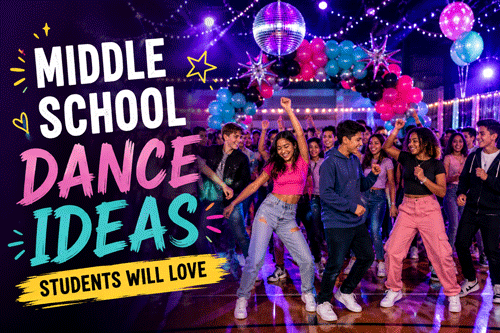
Planning a middle school dance that students actually get excited about takes more than a cleared gym and a Spotify playlist. Today’s students expect a real experience—one with photo opportunities, games, themed activities, and social energy that makes the night feel like a genuine event. Get that right, and you’ll have students talking about it for weeks.
This guide covers everything you need to know: from fun middle school dance ideas that boost participation to themes, decorations, activity stations, and how to end the night on a high note. Whether you’re a first-time event coordinator or a seasoned staff member looking for fresh school dance ideas, there’s something here to help you pull off an unforgettable event.
Why Middle School Dances Still Matter
A middle school dance gives students something rare: a chance to socialize, laugh, and build memories outside of class. The cafeteria becomes a venue. The hallways buzz with anticipation days before the event. For many students, these dances mark their first real experience with large social events—which makes the planning all the more meaningful.
The best school dances don’t just offer music. They offer connection. And when all students feel comfortable and included, participation naturally follows. The difference between a forgettable middle school event and one that becomes a highlight of the school year often comes down to how thoughtfully it’s planned.
Fun Middle School Dance Ideas That Boost Participation
The biggest mistake event planners make? Assuming every student wants to dance. Many do. But plenty of middle schoolers need a warm-up—or an alternative. Building your event around multiple activity zones is one of the most effective dance ideas for middle school students, because it gives everyone a place to feel comfortable.
Glow Gear
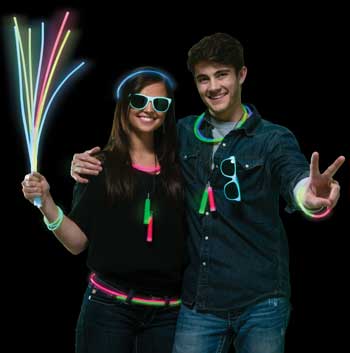
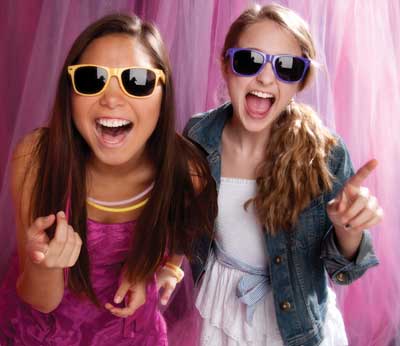
Hand out glow necklaces, bracelets, sunglasses, or light-up wristbands as students walk in. It’s a simple move that instantly energizes the crowd. Students who might otherwise stand against the wall are suddenly part of the spectacle.
A few ways to make it even more effective:
- Place glow necklaces in ice buckets at the refreshment station so students discover them while grabbing a drink
- Designate a dedicated glow zone near the dance floor, lit with black lights
Include glow items in swag bags handed out at the door
Concession Stations
Food draws students in. It also gives them a natural reason to gather, chat, and interact with people they might not approach on the dance floor. Standard snacks work fine, but creative stations make the night feel more like a special event.
Popular concession ideas for a school dance:
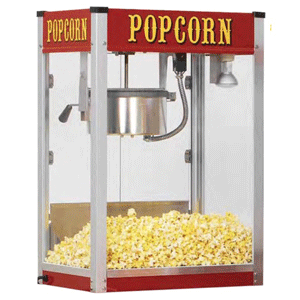
- Popcorn machines with a DIY topping bar (butter, seasoning, cheese powder)
- Sno cone machines
- Cotton candy stations
- Bottled water with custom event labels
Concession areas naturally encourage students to mingle while taking a break from dancing—so they’re as much a social strategy as they are a food strategy.
Games And Activity Zones
Set up a separate games area, either inside the venue or just outside. This is one of the most effective jr high dance ideas for students who aren’t ready to hit the dance floor—or who just want variety.
Strong options include:
- Limbo contests
- Giant checkers
- Bean bag toss games
- Pop culture trivia challenges
- Basketball shootout games
- Group dance competitions
Activity zones also give chaperones natural points of engagement with students, which helps everyone feel more at ease throughout the night.
Photo Booths and Selfie Stations
Students document everything. Give them a dedicated space to do it well. A photo booth or selfie station is consistently one of the most popular middle school dance ideas because it blends creativity, social interaction, and something students can keep.
Set up the station with:
- A bold, themed backdrop
- Handheld props (oversized sunglasses, speech bubbles, novelty signs)
- School-colored decorations
- An instant-print photo option if the budget allows
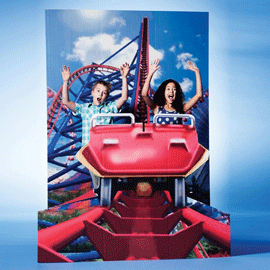
The photos become souvenirs—and students who might not dance at all will still happily spend 30 minutes cycling through props with their friends.
School Dance Themes, Decorations, and Music
A strong theme transforms an ordinary dance into a genuine event. It gives students something to look forward to, guides every decision you make, and creates a consistent atmosphere from the moment they walk in.
Popular middle school dance themes include:
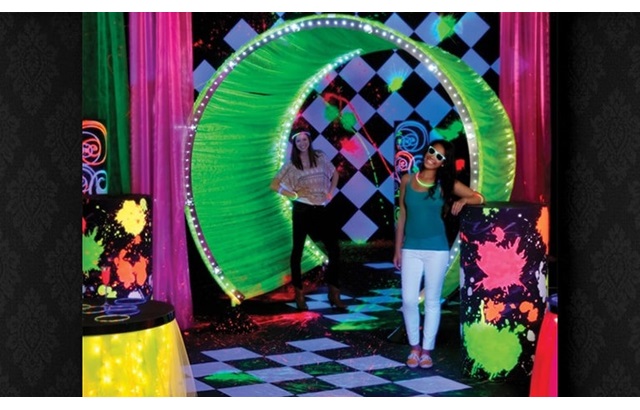
- Neon Glow Night — pairs perfectly with glow gear, black lights, and UV-reactive decorations
- Beach Party — tropical colors, inflatable palms, leis, and sunglasses
- Hollywood Red Carpet — faux velvet rope entry, gold star decorations, photo backdrop
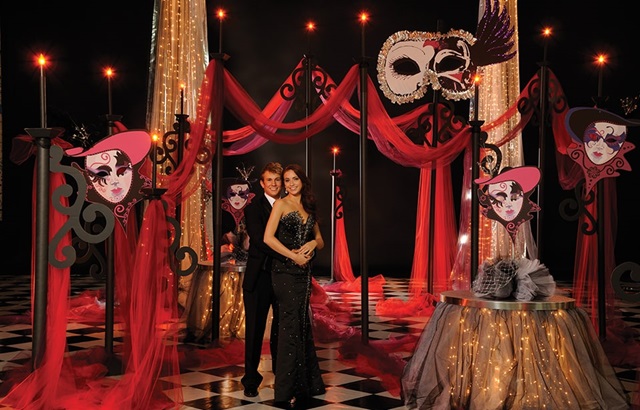
- Masquerade Ball — elegant masks, rich colors, string lights
- Throwback 80s Night — retro music, neon clothes, cassette tape props
- Sports Mania — jerseys encouraged, team colors throughout, game-style competitions
Your theme should also show up in your promotional materials. Students who see a well-designed event flyer in the hallway are far more likely to show up.
Let Students Help Build the Playlist
This single step can dramatically increase student excitement before the event even starts. When students feel ownership over the dance, they’re more motivated to attend—and to bring friends.
- A Google Form for song suggestions distributed two weeks before the event
- An online voting poll for the top 20 requested songs
- A live DJ request option during the event
Mix current chart-toppers with recognizable throwbacks and high-energy group songs to keep the floor active throughout the night.
Create an Inviting Atmosphere
Decorations don’t require a large budget to be effective. A few well-placed elements can transform a gymnasium into a venue that feels intentional.
Affordable ideas that create a big visual impact:
- Balloon arches at the entrance
- String lights along the ceiling or walls
- Themed table decorations at activity stations
- School spirit banners with student artwork or signatures
- Color-coordinated photo backdrops that match the theme
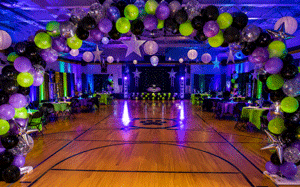
When the space looks good, students feel good being in it. That directly affects how willing they are to participate.
How to Make Your Next School Dance Memorable
Beyond the activity stations and theme, a few small decisions can significantly elevate the overall experience.
Encourage Dress-Up
Themed attire deepens student investment in the event. When students dress the part, they’re psychologically more committed to the experience—and the event feels more memorable as a result.
Attire ideas by theme:
- Decades nights: bell-bottoms, high-top sneakers, or neon 80s fashion
- Tropical events: Hawaiian shirts, leis, and sun hats
- Masquerade: formal wear with decorative masks
- School spirit nights: jerseys, team colors, or class T-shirts
You don’t need a strict dress code—just a visible suggestion in your promotional materials.
Get Teachers Involved
Staff participation is often the most talked-about part of a middle school dance. When teachers step out of their everyday role and join in, students respond enthusiastically.
Effective ways to involve staff:
- Teacher dance-off during a designated segment of the night
- Staff vs. student game competitions
- Teacher-hosted prize giveaway or raffle
- Photo opportunities with popular teachers at the photo booth
Students often feel more comfortable joining activities when they see adults participating without self-consciousness. It changes the energy of the room quickly.
Plan a Grand Finale Students Will Remember
How a dance ends is how students remember it. A flat ending—lights on, music off, time to leave—is a missed opportunity. End intentionally, and students walk out on a high.
Strong finale options:
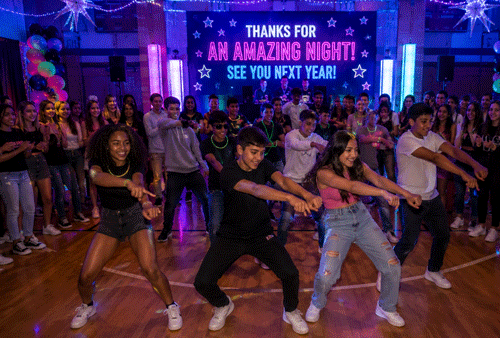
- Group dance challenge: teach a simple line dance in the final 15 minutes and get as many students on the floor as possible
- Countdown celebration: create a countdown moment tied to the event theme (a “glow countdown,” for example)
- Raffle prize drawings: gift cards, school swag, or experience prizes
- School spirit song: a full-crowd singalong that sends students out energized
- Glow-stick finale: distribute glow items for the final song and dim the lights for a send-off moment
A memorable ending reinforces positive impressions of the entire event and builds anticipation for the next one.
Gather Feedback for Future School Dances
The best school dance ideas come from the students themselves. After the event, while enthusiasm is still high, collect structured feedback. A simple Google Form distributed the following school day works well.
Questions to include:
- What was your favorite activity?
- Which songs or music styles did you enjoy most?
- What theme would you want for the next dance?
- What would you change or improve?
Student feedback does two things. It shows students their opinions matter, which improves future participation. And it gives you concrete data to improve each subsequent event—making your school dance ideas for middle school stronger year after year.
Start Planning Your Best Dance Yet
A great middle school dance comes together through intentional planning, student involvement, and a willingness to go beyond the basics. Glow gear, activity zones, photo booths, themed decorations, concession stations, and a strong finale—each element contributes to an event students will genuinely remember.
The goal isn’t a perfect event. It’s an inclusive, energetic night where every student—whether they’re on the dance floor or lined up for sno cones—feels like they belong.
Ready to bring these school dance ideas to life? Explore It’s Elementary’s full selection of school event supplies, including glow products, games, photo props, concession equipment, and decorations designed specifically for school events. Start building your supplies list today and give your students the dance they’ll be talking about all year.
Frequently Asked Questions
What are the best middle school dance ideas for increasing student participation?
The most effective middle school dance ideas combine dancing with additional activities—glow parties, photo booths, concession stations, trivia games, and group competitions. Offering multiple entry points helps create a more inclusive event that appeals to different personalities and interests, not just students who are comfortable on the dance floor.
How do you choose a theme for a middle school dance?
Start by selecting a theme that reflects student interests and your school’s culture. Popular options include glow nights, beach parties, masquerades, Hollywood red carpet, and decade-themed dances. A clear theme helps guide decoration choices, music selections, promotional materials, and student attire—making the entire event feel cohesive and intentional.
What types of dances do middle schools typically host throughout the year?
Middle schools usually host several recurring social dance events each school year. The most common ones include:
- Welcome Back / Fall Dance — an early-year social event to kick off the school year
- Homecoming Dance — tied to spirit week or a homecoming game, common in some districts at the middle school level
- Winter Formal / Snowball — a dressier winter dance, sometimes holiday-themed
- Valentine’s Day / Sweetheart Dance — a casual February event
- Sadie Hawkins Dance — traditionally student-invite format, though many schools have moved away from the gendered framing
- Spring Fling — a lighter, informal spring event
- End-of-Year Dance — a send-off event, especially meaningful for 8th graders transitioning to high school
How much does it cost to plan a middle school dance?
Costs vary based on venue size, supplies, and whether you hire a DJ. Many schools keep costs low by using school staff as chaperones and DJs, sourcing affordable decorations in bulk, and using ticket sales to offset supply costs. Concession machines can also generate revenue that helps fund future events.
What games work best at a middle school dance?
Games that work well at school dances are easy to learn, quick to play, and require no prior skill. Limbo, bean bag toss, giant checkers, basketball shootouts, and pop culture trivia are all strong options. The best games for a jr high dance are ones that get multiple students involved at once and don’t require a long commitment to join.