
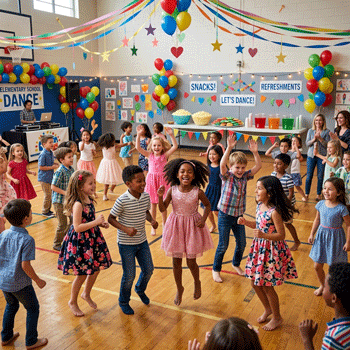
Planning an elementary school dance doesn’t have to be overwhelming. Whether you’re organizing a spring sock hop, a Daddy/Daughter Dance, or a fall glow dance, the right elementary school dance ideas can help you pull off a fun, safe, and memorable school event — without blowing your budget or your sanity.
This guide walks through everything: themes, decorations, music, games, food, safety, and more. Use it as your go-to planning checklist, and adapt it to fit your elementary school’s space, schedule, and student community. By the end, you’ll have a clear picture of what to do — and what supplies to grab — before the big dance.
Picking a Theme That Gets Kids Excited
A strong elementary school dance theme does more than set the mood. It drives ticket sales, shapes your décor decisions, and gives students something to talk about for weeks. The best themes are simple, visual, and easy for kids to picture right away. Think:
- Candyland — bright colors, oversized candy props, and a sugar-fueled atmosphere
- Hollywood Red Carpet — a glamorous entrance, gold accents, and kids feeling like celebrities
- Under the Sea — blue lighting, ocean-themed décor, and balloon sea creatures
- Decade Throwbacks — the 70s, 80s, or 90s are endlessly fun and endlessly photogenic
- Glow Dance — black lights, neon colors, and glow bracelets that double as admission tickets
- Winter Wonderland — snowflakes, white and silver décor, and a magical atmosphere for a holiday event
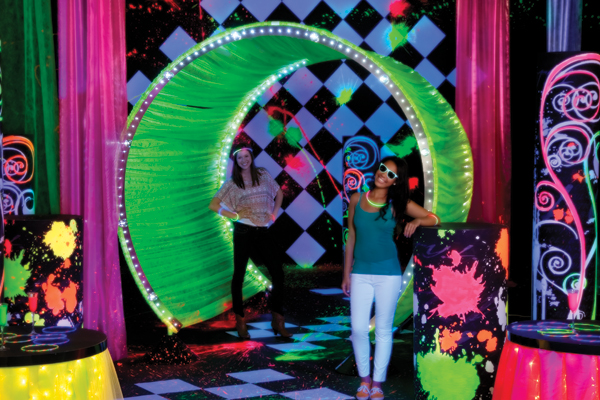
Seasonal themes — a glow dance in fall, a spring fling, or a winter wonderland — are especially easy to plan because they align with the school calendar and build natural momentum around existing events.
A planning tip that works every time: let your student council or a few homeroom classes vote on the theme. Student buy-in leads to better attendance. When kids help choose the theme, they show up — and they bring their friends.
Need more inspiration? Browse our dance theme ideas for a deeper dive into what works across different age groups and event types.
Simple Decorations That Make a Big Impact
You don’t need to redecorate the entire school gym. A few well-placed pieces go much further than a dozen scattered small props.
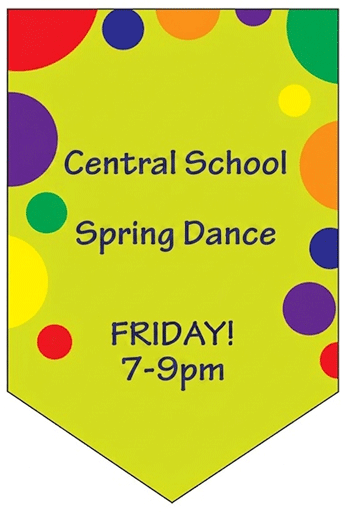
Start at the entrance. A custom banner at the door sets the tone before guests even walk in — it signals that this is a real event, not just another school night. From there, layer in the essentials:
- Balloons, fabric, and crepe paper for color and atmosphere — these are fast, affordable, and effective
- A few statement pieces, like life-size cardboard stand-ups, themed columns, or large props, to create visual anchors around the room
- String lights or colored lighting to transform the feel of the space without a major setup
One of the best pre-dance activities? Have students make simple decorations in class — paper chains, hand-painted posters, themed cutouts — in the weeks leading up to the event. It builds excitement and gives you free décor.
For a full look at what’s available, check out our dance decorations collection for banners, balloons, fabric, and everything in between.
Building a Playlist Kids (and Chaperones) Will Love
Music makes or breaks an elementary school dance. The goal is a playlist that keeps the dance floor moving without burning everyone out in the first 20 minutes. A few principles that work well:
- Mix current kid-friendly hits with familiar sing-alongs. Parents and staff will appreciate recognizing a song or two, and it creates shared moments across age groups.
- Include structured dance songs. The Cha Cha Slide, Cupid Shuffle, and YMCA are lifesavers for kids who feel self-conscious about freestyle dancing. When everyone is doing the same moves, no one feels left out.
- Balance high-energy songs with slower breaks. A predictable rhythm of fast, fast, slow keeps energy up without leaving kids (or volunteers) exhausted halfway through.
If your budget allows, a student-friendly DJ or MC is worth the investment. A good DJ reads the room, keeps transitions smooth, and can dial the energy up or down based on what’s happening on the floor.
Easy Elementary School Dance Activities to Keep Everyone Moving
Not every child wants to dance — and that’s perfectly fine. Select options so every student has a way to participate.
Set up a games corner with carnival-style activities like ring toss, mini golf, or a duck pond. These give shyer kids a low-pressure way to join the fun and take the pressure off the dance floor.
Classic mixers are low-prep and high-energy:
- Freeze Dance — music stops, everyone freezes, last one moving is out
- Musical Chairs — simple, competitive, always popular
- Limbo — how low can you go?
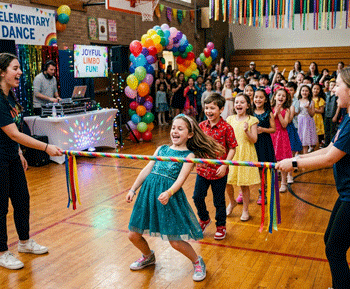
Dance-offs add a layer of friendly competition. Let kids show off their best (or silliest) moves, and award a small prize to the winner. Keep it lighthearted — the goal is laughter, not serious competition.
Rotate activities throughout the night so the same corner of the gym doesn’t become a bottleneck. A little variety keeps traffic moving and keeps energy levels high.
Setting Up a DIY Photo Booth
A photo booth is one of the highest-return investments for an elementary school dance. Kids love them. Parents love the photos. And they don’t require much to pull off. The foundation is a good backdrop. A streamer wall, balloon arch, or themed banner is often all you need. From there:
- Set out a bin of props — sunglasses, boas, hats, funny signs — so kids can style their own poses
- Add life-size cutouts or themed photo scenes for a bigger visual effect
- Station a parent volunteer at the booth to snap photos and keep the line moving
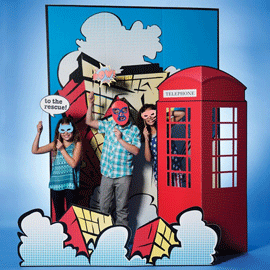
For more ideas on setting up a photo booth at your next school event, we’ve got a full guide covering everything from step-and-repeat walls to 360° selfie stations.
Snack and Refreshment Ideas That Work
All that dancing burns energy — make sure your students (and teachers and chaperones) have somewhere to recharge.
Traditional dance staples are traditional for a reason: cookies, punch, and a fruit or veggie platter are familiar, easy to prep, and easy to manage.
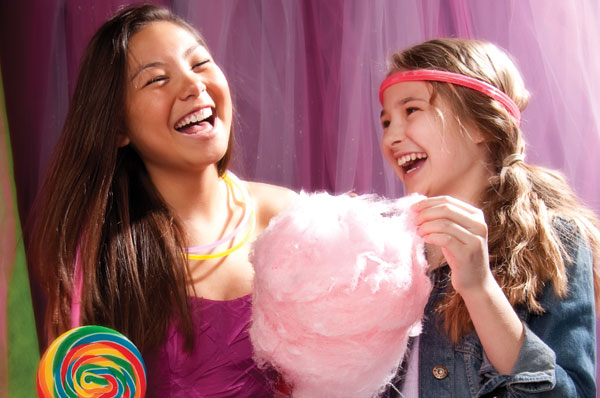
Want to add variety and raise a little money at the same time? Set up a concession stand. Popcorn, hot dogs, nachos, and cotton candy are crowd-pleasers that also work well as a light fundraiser — the same model schools use for sporting events.
For a fun themed twist, set up a candy buffet in your school’s colors. Provide small containers or bags so guests can help themselves, and label each candy variety for a polished look. It doubles as a decoration and a snack station.
Dance Competitions: Keeping It Fun and Inclusive
A well-run dance competition adds energy to the night without turning things cutthroat. The key is keeping it optional and keeping it fun.
Try a freeze dance elimination round — music plays, everyone dances, and anyone still moving when the music stops is out. It’s easy to run, requires no setup, and kids absolutely love it.
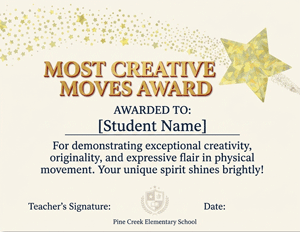
Recognize more than just winners. Certificates or small trinkets for “most creative moves,” “best group routine,” or “most enthusiastic dancer” keep the competition inclusive and make sure more kids leave feeling celebrated.
Keep competition segments short. Ten minutes of structured fun is plenty — after that, let kids get back to dancing on their own terms.
How to Involve Parents and Volunteers Effectively
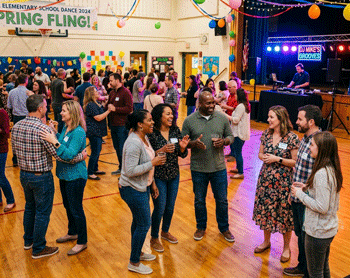
A smooth elementary school dance needs more than a great playlist. It needs people on the ground.
Recruit parent volunteers early and assign clear roles before the night:
- Door check-in — verifying tickets or wristbands
- Concessions — managing the food and drink table
- Photo booth — helping students with props and snapping photos
- Floor supervision — keeping an eye on the dance area and common spaces
Clear role assignments prevent confusion and ensure nothing falls through the cracks. Volunteers who know exactly what to do from the moment they arrive are far more effective — and far less stressed.
After the event, a little recognition goes a long way toward getting the same team back next time. For ideas on how to say thank you, check out our volunteer appreciation ideas — from small tokens to full appreciation events.
Safety and Comfort Considerations
Safety is non-negotiable at any elementary school event. A few simple measures make the night run smoothly and protect everyone involved.
- Control admissions. Tickets, wristbands, or a dance ID badge ensures only invited students are on the floor. As a bonus, admission control also gives you an accurate headcount — useful for fire code compliance and emergency planning.
- Set up a quiet chill zone away from the speakers. Some kids are sensitive to loud music and flashing lights. A low-stimulation corner with seating gives them a place to decompress without having to leave the event entirely.
- Keep walkways clear. Exits, the concessions area, and main traffic paths should be free of decorations, cords, and furniture. A crowded gym is a tripping hazard — especially when the lights are low.
Plan Your Best Elementary School Dance Yet
A great elementary school dance comes down to a few things done well: a clear theme, some simple decorations, a playlist that gets kids on their feet, and enough activities to keep everyone engaged from start to finish. You don’t need a massive budget or a professional event planner — you need a plan and a good team.
Use the elementary school dance ideas in this guide as your starting point, then adjust based on your school’s space, schedule, and student interests. With a little preparation (and a few extra parent volunteers), you’ll have a dance students are still talking about by the time summer rolls around.
For more inspiration and tips, check out our guide on more middle school dance fun — many of the ideas translate seamlessly to elementary-age events.
Ready to start planning? Browse It’s Elementary’s school dance decorations, photo booth props, and student awards to find everything you need for your next event.
Frequently Asked Questions
What are some easy elementary school dance ideas for a small budget?
Focus on one strong theme, then layer in affordable basics like balloons, streamers, and a custom banner at the door. A simple photo booth with dress-up props, a solid playlist, and classic elementary school dance activities like Freeze Dance or Musical Chairs go a long way without a large spend on decorations or entertainment.
How do you keep kids safe at an elementary school dance?
Control admissions with tickets, wristbands, or ID badges so only invited students are on the floor. Post parent volunteers at the entrance and around the room to supervise, and set up a quiet space away from the music for students who need a sensory break.
What snacks work best for a school dance? Simple, familiar options are easiest to manage: cookies, punch, and fruit or veggie trays are reliable dance-night staples. For a fundraising boost, add concession-stand favorites like popcorn, hot dogs, and nachos — or set up a themed candy buffet guests can serve themselves from.