
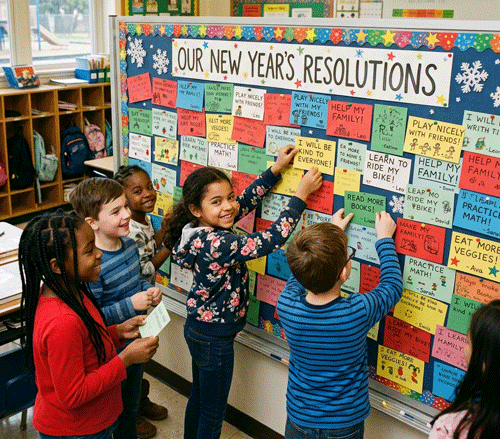
Setting a New Year resolution for students is a great way to build goal-setting skills, responsibility, and confidence in the classroom. By combining clear goals with simple rewards, teachers can motivate students to follow through and celebrate their progress.
As a middle school or elementary school educator, you can turn the start of the year into a meaningful learning opportunity. This post walks you through how to help students set strong resolutions, track their progress, and feel recognized when they succeed.
What Are New Year Resolutions for Students?
A New Year resolution for students is a personal goal a student sets to improve a skill, habit, or behavior. New year resolutions for students commonly focus on areas like:
- Academic improvement
- Organization and time management
- Health and wellness
- Social skills and kindness
Helping students create their own resolutions encourages ownership and accountability—two skills that carry far beyond the classroom.
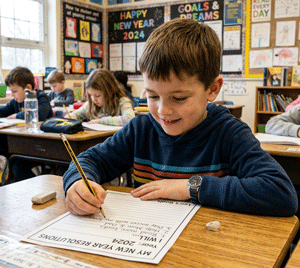
How to Help Students Set Meaningful Resolutions
Not all goals are effective. Students need support to set goals they can actually reach. These simple strategies make a real difference:
- Keep resolutions specific and realistic
- Focus on one or two goals instead of many
- Use examples to guide students
- Talk about why goals matter
You can also introduce simple goal-setting frameworks like:
- “I will ___ by ___.”
- “I want to improve by doing ___.”
These sentence starters help students understand what success looks like—and give them a clear path to get there.
New Year Resolution Ideas for Students (By Category)
Use these examples as inspiration for new year resolutions for students at different grade levels.
Academic Goals
- I will complete my homework on time
- I will read for 20 minutes every day
- I will keep my desk and materials organized
Personal Development
- I will stay positive when things get hard
- I will try something new each month
- I will practice a hobby regularly
Health and Wellness
- I will get enough sleep each night
- I will exercise or stay active every day
- I will choose healthy snacks
Social Goals
- I will be kind to my classmates
- I will help others when they need it
- I will listen when others are speaking
Ideas for Younger Students
For new year resolutions for kindergarten students or new year’s resolutions for elementary students in the primary grades, simpler goals work best:
- I will raise my hand before speaking
- I will clean up after myself
- I will share with my friends
These straightforward goals make it easier for younger students to experience early wins—and that first taste of success builds the confidence to keep going.
Ways to Display and Track Student Goals
Posting resolutions publicly can boost accountability in a big way. Try these classroom ideas:
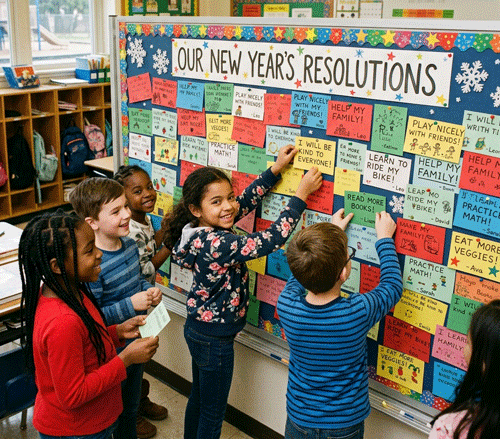
- Bulletin board display: Have students write their resolutions on cards and post them where everyone can see. This turns the classroom into a visual reminder of shared commitment.
- Goal cards or journals: Students keep a personal record of their resolution and check in with it regularly.
- Progress charts or sticker systems: A simple visual tracker gives students something to look forward to with every small step forward.
- Monthly check-ins: Schedule time to discuss how students are going. Hearing classmates share their progress creates a sense of community around goal-setting.
Having a visible system reminds students to stay focused on their new year resolutions throughout the year—not just in January.
Reward Students Who Reach Their Resolutions
Recognizing students when they reach their goals is one of the most effective tools in a teacher’s kit. Consider these recognition ideas:
- Achievement certificates: A tangible award for completing a resolution is a great morale booster. As the team at It’s Elementary notes, receiving a certificate shows students the real value of setting and sticking to goals.
- Classroom shoutouts: A public acknowledgment during morning meeting or circle time can mean a lot to a student.
- Small prizes or privileges: Extra free reading time, a homework pass, or being line leader for the day are simple rewards that feel special.
- Leaderboards or class celebrations: When the whole class hits a collective milestone, celebrate together.
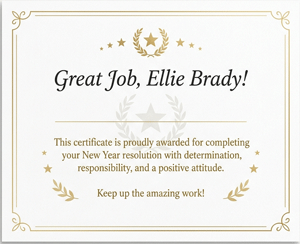
Rewarding students when they reach their goals reinforces positive behavior and motivation. Recognition not only boosts morale—it teaches students the value of persistence and effort, lessons that stick with them long after the school year ends.
Encourage Long-Term Success and Motivation
Reaching a goal is not always easy. Students benefit from encouragement along the way, not just at the finish line. Support long-term success by:
- Checking in regularly so students feel seen and supported
- Celebrating small milestones, not just the end result
- Reminding students why their goals matter when motivation dips
- Helping them adjust goals if needed—flexibility is part of learning
When students see progress, they are more likely to stay motivated and continue building positive habits. The goal, after all, is not perfection. It’s growth.
Make This the Year Students Believe in Their Goals
New year resolutions for students work best when they are specific, visible, and celebrated. By guiding students to set meaningful goals, tracking their progress in the classroom, and rewarding them when they follow through, teachers create an environment where effort is valued and achievement is recognized.
Whether you teach kindergarten or middle school, the start of a new year is the perfect moment to help students reflect on who they want to become—and give them the tools to get there.
FAQ
What are good New Year resolutions for students?
Good New Year resolutions for students focus on academics, behavior, and personal growth. Examples include reading daily, staying organized, being kind to classmates, and improving study habits. The best goals are simple, realistic, and specific so students can track progress and feel successful throughout the year.
How do you teach students to set New Year resolutions?
Teachers can guide students by providing examples, keeping goals simple, and encouraging them to choose realistic improvements. Using sentence starters like “I will improve by…” helps students create clear goals. Regular check-ins and classroom discussions also help students stay focused and motivated.
How can teachers reward students for reaching resolutions?
Teachers can reward students with certificates, classroom recognition, small prizes, or special privileges. Celebrating achievements publicly reinforces positive behavior and encourages other students to stay committed to their own goals. Rewards should be simple but meaningful to students.